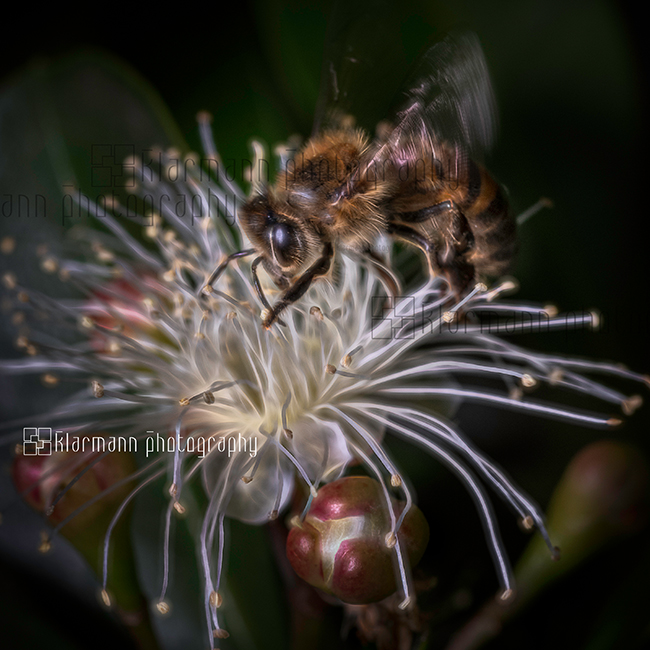
What if we had no more Bees and why I photograph them?
WHAT IF WE HAD NO MORE BEES AND WHY I PHOTOGRAPH THEM?
As a keen Photographer, I have an interest in photographing a variety of different subjects, as you will see from my Portfolio on my website and my You Tube Channel.
Now, I do have a strong personal interest in Nature and a lot of my photography is based on things that we find in Nature, such as birds, flowers, animals and even insects.
When it comes to insects, my favourite subject is the Bee. I am fascinated by this little creature, which seems to work tirelessly throughout the day.
When I first starting photographing Bees many years ago, my initial results, were not that good, mainly because its a challenging and difficult subject to photograph. But I was determined to improve and so I photographed Bees more and more. As I did so, my photographs did improve and so did my knowledge about Bees.
I became obsessed with photographing them and trying to showcase them in the best way possible, even to the extent that some of the photographs would look like fine art images. My determination with this type of photography was further motivated by the understanding that Bees are essential to our ecosystem and even food production. But what really got me going was the knowledge that Bees face threats from various things, such as the loss of their natural habitats, the use of pesticides and climate change.
So I asked myself - how can an ordinary guy like me do anything to help the Bees on our Planet? Well, the answer was easy - with my camera! The strategy in my mind was to attract attention with my Photographs and combine this with relevant facts about Bees. In this way, my hope is that more people around the World will become aware of both the importance of Bees and the circumstances that threaten them.
And so, what I have discovered is that Photography can play a very important role in raising awareness and interest, through carefully selected photographs. It became increasingly exciting to document the behaviour patterns of Bees and their very special interaction with various flowers and shrubs. Not only could I assemble a Portfolio of artistic images, I could also add value to an educational process around the world. And so I hope that my website and my You Tube Channel can both serve to raise awareness and educate people, and through the beauty of these creatures, as depicted in my Photographs, I aim to change the perception about Bees and hopefully initiate an increasing number of Bee friendly practices globally.
As far as my Photographs are concerned, please visit the Portfolio section of my website, which is:
And also, on my You Tube Channel (Klarmann Photography), I will be presenting various videos on all my photographic work, including my Bee photographs. I have included a link below to my first video on Bee Photography and hope that you enjoy it.
And as I mentioned, I also want to share the knowledge that I have learned about bees, so here goes with some interesting facts:
Bees are not ordinary insects. They produce foods, such as Honey and also play a vital role in our ecosystem , biodiversity and food production. Any threats to the Bees on our Planet, would have far reaching negative consequences for various reasons.
So, what is it that Bees do that is so important? It’s called Cross Pollination, which is a process whereby pollen is transferred from the male anthers of a flower to the female stigma. This can happen in various ways, but Bees do it in a very efficient way as they are uniquely “engineered" to do so, for example, they have corbiculae or scopae.
Corbiculae is a pollen basket, on the Tibia on the hind legs.
Scopae - brush like hairs, which collects pollen.
This photo that I took illustrate beautifully the pollen collecting capabilities of Bees:

This process of cross pollination has a long and fascinating history, in fact, it goes back around 100 million years ago. Way back then, there were predatory wasps, and Bees evolved from these wasps. Why did this happen? Well, over time flowering plants became more prevalent and as mentioned, Bees adapted in order to feed on the nectar and pollen that existed in these flowers. And so an incredible evolutionary process developed whereby Bees and flowers had a significant impact on each other and ultimately on the Planet’s ecosystem.
Well, I can promise you that knowing all of this about Bees makes me respect them even more and when I photograph them on various flowers, I am in total awe - after all, I have the privilege of photographing something that goes back millions and millions of years.
So, there is no way that we can sit back and allow our Bees to be threatened in any way. If the number of Bees around the World reduce significantly, then we will all have some major problems, for example, crops of various fruits and vegetables would reduce considerably and biodiversity would be negatively impacted. This would have an impact on food prices and farming methods would need to change.
Now. its not to say that our Bees are going extinct. There are indeed some parts of the World where the number of Bees is declining but in other parts of the World, the number of Bees is increasing.
Let’s firstly consider the circumstances that threaten our Bees and lead to their numbers reducing.
These circumstance are as follows:
Loss of natural habitat - mainly due to urbanisation and changes in the usage of land.
Climate change - this can affect flowers in many ways and sadly also the available food for Bees
Use of pesticides
Diseases - certain diseases have a negative impact on our Bees
There are fortunately a few things that we can all do to help our Bees. Here are a few ideas:
Never use any pesticides in the garden
Plant flower that Bees like - this becomes a much needed source of food for them
Get a Bee Hotel - this is a nesting site for solitary Bees
Support local apiaries - but only those that practice ethical beekeeping , as this helps develop more healthy bee colonies
In conclusion, I hope that my Portfolio of Bee photographs will give you the opportunity to see Bees in a different way, to get a better understanding of their unique features and how they go about their essential daily activities, which ultimately benefit the Planet and Humanity. Simultaneously, I hope to make an increasing number of people aware of the many risks that Bees have to face.
I am obsessed with the type of photography and continually do my best to continually improve my Photographs and to document Bees in the best possible ways. My hope is that my website klarmannphotography.com
can be an effective means for “visual advocacy” where every photograph that I take of Bees can in some way contribute towards Bee conservation, promote awareness globally and encourage more efforts to protect these wonderful insects and a process that has evolved over millions of years.
Here's the link to my You Tube video:
